Reading the Cards: How Amateur Bouts Are Really Scored
There is a moment at every fight night when the decision is read out and half the crowd looks at each other as if the judges have been watching a different bout. Sometimes they have a point. Usually, though, the difference is that the judges are watching for specific things, while the rest of us are watching the noise.
This is not a rulebook. It is a guide for parents, new supporters and boxers who want to understand why a close round went the other way.
The Short Version
Amateur bouts are usually scored round by round on a ten-point must system. A judge picks the winner of each round, usually awarding 10-9. If there is a knockdown or a clear dominance, it can be 10-8. Even rounds are rare. Deductions for fouls can change the maths.
The important bit is that judges are not simply counting punches. They are looking at who is doing the cleaner, more effective work. The core criteria are clean punching, defence, ring generalship and control.
Clean Punching: Quality Over Noise
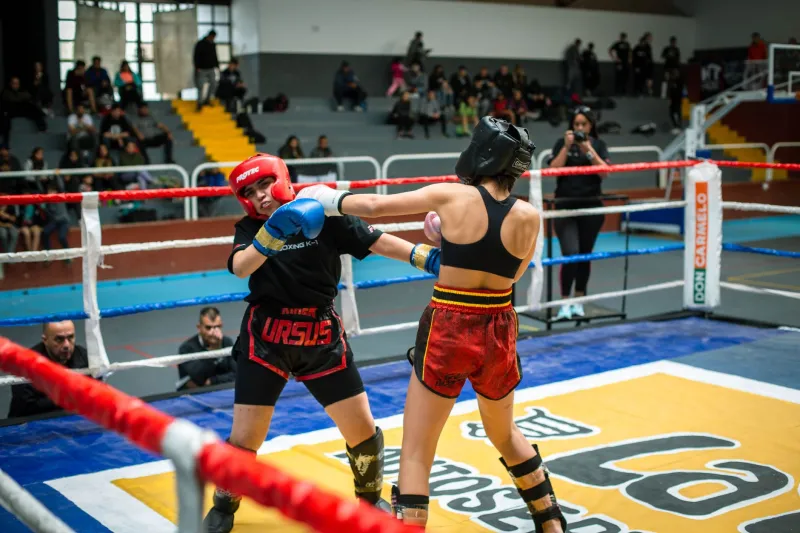
A scoring blow is a clean punch that lands on a legal target area. A punch that lands on the gloves, arms or shoulders is not scoring. A flurry that makes a lot of noise but mostly hits guard is not scoring either.
Picture a club bout where Boxer A lands one sharp right hand and makes the opponent miss three times. Boxer B throws six punches, but four land on the gloves and two are glancing. The crowd remembers Boxer B’s activity. The judge remembers Boxer A’s clean work. That is often the difference in a close round.
Defence Is Not Passive
Defence counts. Slipping, blocking, rolling and making an opponent miss are part of the sport. A boxer who avoids clean shots while staying in position to reply is doing something right.
But defence alone does not win rounds. If a boxer spends the round covering up and never threatens, the judge will usually favour the boxer who is making the fight happen and landing the cleaner work. The balance matters: make them miss, then make them pay.
Ring Generalship and Control
Ring generalship is a fancy phrase for controlling where the fight happens. Who is cutting off the ring? Who is making the other boxer reset? Who is dictating the distance? A boxer who can make an opponent fight at their preferred range is showing control.
Control also means composure. A boxer who is balanced, making good decisions and landing effective punches is showing control. A boxer who is rushing, falling in and swinging wildly may look busy, but they are not controlling much.
What About ‘Running’?
This is the big one at every amateur show. A boxer moves around the ring, the crowd shouts that they are running, and everyone expects the judges to punish it.
Moving is not a crime. If a boxer is on the back foot but landing clean counters and controlling the distance, that is ring generalship. It is a legitimate way to win. If they are only surviving, never landing and constantly out of position, the judges will see that too. The question is not whether they are moving. The question is whether they are doing effective work while they move.
The ‘More Punches’ Myth
Landing more punches helps, but only if they are clean and effective. Volume without accuracy is noise. A boxer can throw a hundred punches and land ten clean ones. Another can throw forty and land twenty. The second boxer is usually winning the round.
Parents, this is worth remembering when you watch a close bout. The boxer who looks busier is not always the boxer who is scoring. Watch the head and the target area, not just the gloves. Look for clean connections and who is making the other boxer reset.
Close Decisions and Club Bouts
Close decisions are part of amateur boxing. Two judges can see the same round differently without anyone being crooked. That is why the corner tells a boxer to make the next round clear rather than leaving it to chance.
At Earlsfield ABC, we teach boxers to finish rounds strong and to listen to corner feedback. If the judge is rewarding clean counters, keep countering. If they are rewarding pressure, do not spend the last thirty seconds on the back foot without an answer.
How to Watch on Fight Night
Watch the first thirty seconds without shouting. See who is landing clean. See who is making the other boxer miss. See who is controlling the centre and the distance. Then look at the scorecards in your head. You will not always agree with the judges, but you will understand the sport a lot better. And when a close decision goes the other way, you will know it was probably not a robbery. It was a difference in what the judges valued.