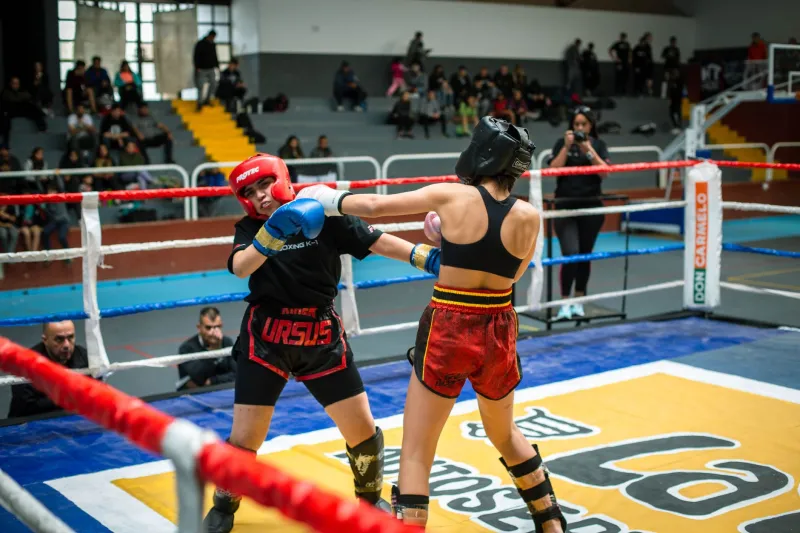
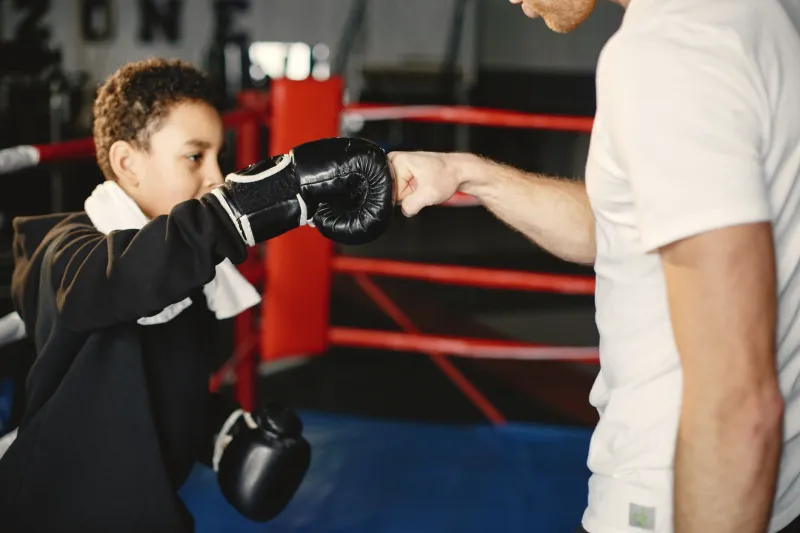
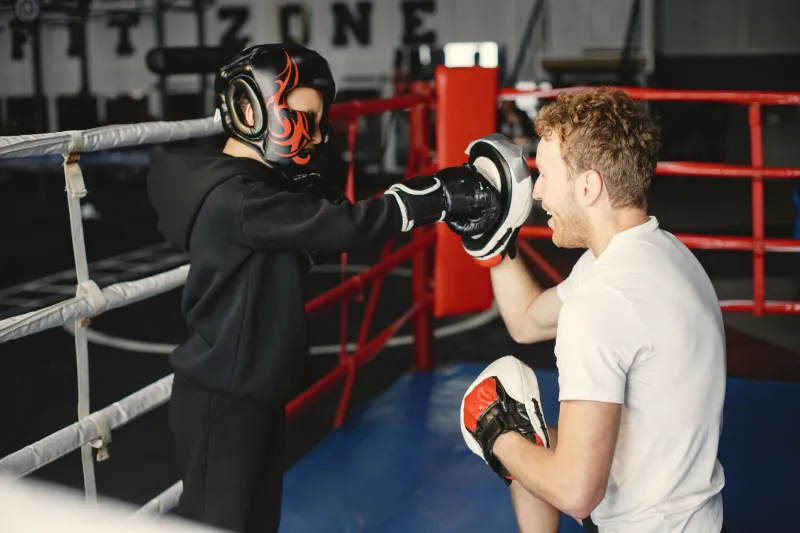
Eight Ropes, One Canvas, Zero Shortcuts: Meet the Earlsfield ABC Ring Crew
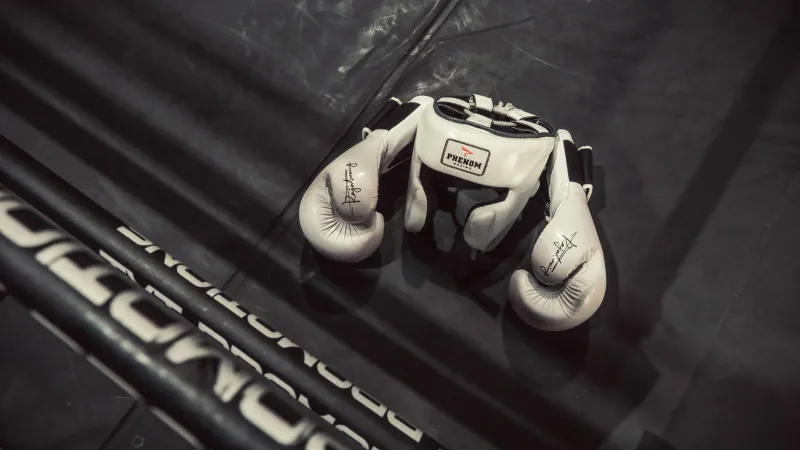
Saturday, 7.40am. The shutters at Earlsfield ABC are up, the kettle is on, and the ring is still wearing last week’s chalk marks. Most of SW18 is still waking up. Inside the gym, a small crew is already walking the perimeter of the ring, pulling on ropes, crouching by the corner posts and running a flat hand across the canvas like they’re checking a plastered wall for damp.
This is not a fight-night panic. It is a routine. And it is one of the quietest, most practical ways the club looks after its boxers.
The ring is never really “done”
A boxing ring looks simple from the seats: four posts, a canvas, a few ropes. In reality it is a piece of equipment that takes a weekly beating and gives very little warning before something goes wrong. A rope that has lost tension can sag into a boxer’s back as they lean away. A canvas that has gone soft in one spot can turn a routine step into a rolled ankle. A turnbuckle that has worked loose is a hard metal shape waiting for someone to land near it.
So the Saturday crew does not wait for a problem to announce itself. They go looking for it.
“You don’t want to be the person who finds a fault during the first bout,” says one of the regular volunteers, a retired fitter who has been helping at the club for years. “You want to find it when the gym is empty and there’s time to fix it properly.”
That attitude runs through the whole morning. Nothing is assumed to be fine because it was fine last week.
What safe actually looks like
The first job is the ropes. Amateur rings typically have four ropes per side, and each one needs to be tensioned evenly — firm enough to do its job, with just a little give when you press down. The crew works around the ring in order, checking the servings for fraying, making sure the rope spacers are sitting correctly and looking for any spot where the tension has drifted. A rope that is too tight is almost as much of a problem as one that is too loose; it changes how a boxer reads the ring and can make the corners feel dead.
Next comes the canvas. This is where the quiet pride shows. The crew checks for soft spots, ripples and tears, running hands across the surface rather than just looking at it. Any stain from a previous session is cleaned and disinfected — not because the gym is precious about its paintwork, but because blood and sweat are part of the sport and hygiene is part of respect. A clean canvas is a basic courtesy to every boxer who steps through the ropes.
Padding is the third check. Corner pads, turnbuckle covers and the padding beneath the canvas all get the same treatment: push, pull, shake, inspect. Exposed metal is a non-negotiable fault. So is a pad that has lost its fixing and can slide when someone leans on it. The crew keeps a box of spare covers, bolts, zip ties and offcuts because the nearest hardware shop run is always longer than the fix itself.
Then there are the less glamorous bits. The steps up to the ring. The apron. The post fixings. The lighting over the canvas. The bucket in the neutral corner. None of it makes a poster. All of it matters.
The Saturday checklist
By mid-morning the ring has been walked, pulled, wiped, tightened and inspected. The crew works from a simple checklist that lives on a clipboard by the office door. It is not a piece of red tape; it is a memory aid for a job that has a hundred small details and no crowd to remind you when one gets missed.
The checklist covers rope tension on all four sides, canvas condition, padding security, turnbuckle tightness, post stability, step condition and post-bout cleaning. Anything that cannot be fixed on the spot gets logged, flagged and either sorted before the next session or raised with the coaches straight away. The crew is not there to make decisions about who fights. They are there to make sure the ring is honest when the decision is made.
That distinction matters. A safe ring does not guarantee a good bout, but an unsafe ring can ruin one in a heartbeat. The Saturday crew takes the boring, unglamorous side of that bargain seriously.
Why it matters more than a shiny poster
Earlsfield ABC is a community club, and community clubs run on practical help. The same people who hold pads on a Tuesday night are often the ones who turn up on a Saturday morning with a screwdriver and a flask. They are not looking for a thank-you speech. They are looking for the quiet satisfaction of knowing the ring is right.
That is the grit-and-community identity in its most literal form. Not a slogan on a hoodie. A rope pulled tight. A pad fixed properly. A canvas wiped down so the next kid through the door starts from clean.
It is also a call-out. The crew could use more hands, especially from supporters with trade skills. If you can splice a rope, sew a vinyl patch, weld a bracket, check a fixing or simply hold a spanner steady while someone else swears at a turnbuckle, there is a place for you on a Saturday morning. You do not need to be a coach. You do not need to have boxed. You just need to care about doing a job properly.
Because the ring is not just canvas and rope. It is the promise the club makes to every boxer who steps through the ropes: we have checked. We have tightened. We have cleaned. Now you can get on with the business of boxing.
If you can lend a hand, speak to a coach at the gym or get in touch through the club. The kettle will be on, the checklist will be waiting, and the ring will be all the better for it.