Learning to Hold Back: What Really Happens on Ring Night at Earlsfield ABC

Walk into the gym on a Thursday evening and you'll hear it before you see it: the soft thud of gloves, a coach's voice cutting through, the squeak of boots on canvas. Two boxers in headguards, circling. From the doorway it can look like a fight. Take part in one and you learn, usually within about forty seconds, that it isn't.
Sparring is the part of boxing that people outside the sport find hardest to understand, and the part newcomers worry about most. So here's an honest look at how ring nights work at Earlsfield ABC, what we expect from anyone stepping through the ropes, and why the whole thing runs on trust rather than ego.
It looks like a fight. It really isn't one
A bout has a winner. Sparring has a purpose. Sometimes that purpose is conditioning, sometimes it's sharpening a single punch, sometimes it's getting a nervous 15-year-old used to someone standing in front of them throwing back.
That's why you'll see a senior boxer working at maybe sixty per cent against a newcomer, hands a little lower than usual, calling out what's coming. That isn't showing off. It's teaching. The older boxer's job is to make the younger one better and to send them home in one piece. If you're the more experienced boxer and you've hurt your partner, you haven't won anything — you've just failed at the task.
Before the bell: kit, pairs and handshakes
Nobody wanders into the ring and picks a dance partner. The coach pairs people, and that decision is based on weight, experience, age and what each boxer needs that week. If you haven't been called, you don't get in. Simple as that.
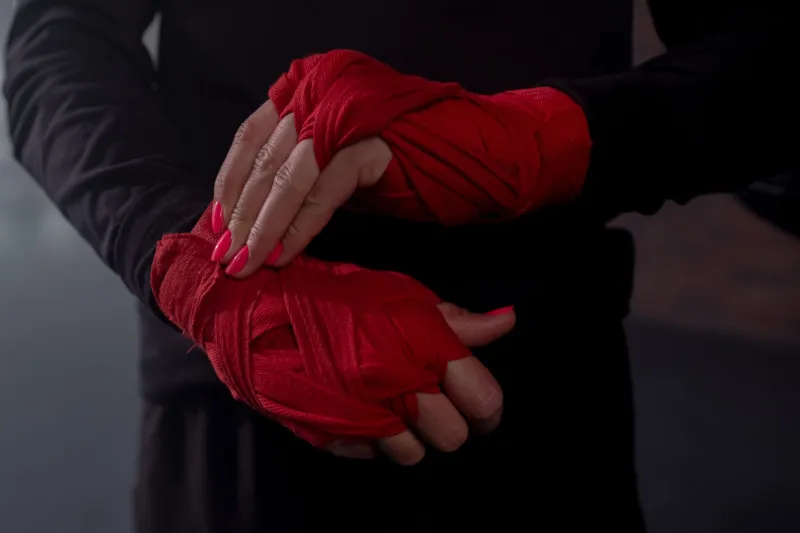
Kit matters too. Sixteen-ounce gloves for sparring, headguard, gumshield that actually fits, groin guard, and wraps done properly rather than hurriedly. Turn up without them and you'll be doing bag work instead — not as a punishment, just because we're not risking your teeth for a Tuesday session.
And then there's the thing that sets the tone for everything: you touch gloves, and you say hello. 'Alright, good luck.' It sounds small. It isn't. It's the first reminder that this person is your training partner, not your opponent.
Control is the whole point
New boxers often think control means hitting softly. It's more specific than that. Control means you can land a shot and stop it a centimetre short of doing damage. It means you can work at a set pace for three rounds without your technique falling apart. It means when the coach says 'jab only', you throw jabs and nothing else, even when the opening for a right hand is begging.
We'll often give the pair a theme before they start. Body shots only. Lead hand only. One boxer works, the other defends. That's how skills get built.
The words that matter
There's a vocabulary to ring night, and it's worth learning before your first one. 'Stop' means stop — immediately, gloves down, step back. 'Again' means reset and go. 'Good shot' is a compliment, and you'll hear it in both directions.
If something feels wrong — a gumshield slipping, a shoulder tweaking, a partner going harder than agreed — you say so. Out loud. Nobody is marked down for calling a halt. The boxers who get hurt are usually the ones who stayed quiet to look tough.
How the older lads look after the new ones
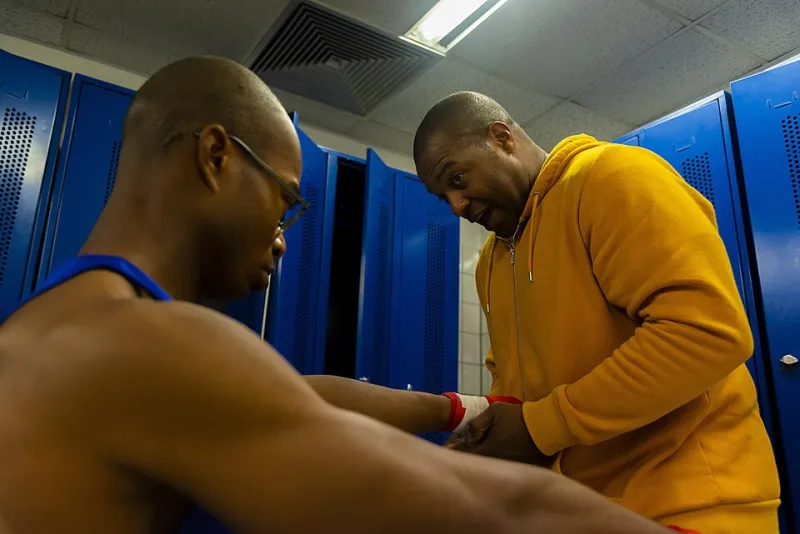
This is the bit parents rarely see, and it's the bit we're proudest of. Watch a senior boxer sparring a beginner and you'll spot the little things: the jab that stops short, the footwork that guides rather than traps, the quiet word between rounds — 'keep your right hand up, I can see everything'.
That's a tradition here, passed down the same way it was passed to them. You look after the new kid because someone looked after you.
The unwritten rules, written down
- No sparring without a coach watching. Ever.
- Power is a privilege, not a default. It gets earned over years, not weeks.
- You don't spar someone much heavier or much greener unless the coach says so.
- Keep talking. Silence in the ring usually means someone's stewing.
- Touch gloves at the start and at the end. Every time.
- What happens in the ring stays there. No re-running it in the changing room.
- If you lose your head, you're out for the night. That's not a debate.
For parents watching from the side
The hardest job on ring night belongs to the people sitting on the bench. Please don't coach — not because we don't value you, but because two voices giving instructions is worse than none. Don't compare your child to the boxer in the next pair. And when they come off, ask how it felt rather than who 'won'.
Sparring isn't compulsory and it isn't a rush. Most newcomers spend weeks on pads, bags and footwork before a coach even mentions the ring. When it happens, it happens because they're ready.
See you Thursday
Ring night at Earlsfield ABC isn't a test of who's toughest on Garratt Lane. It's a room full of people agreeing to look after each other while they get better at something difficult. Hold back, speak up, shake hands — and you'll fit in fine.