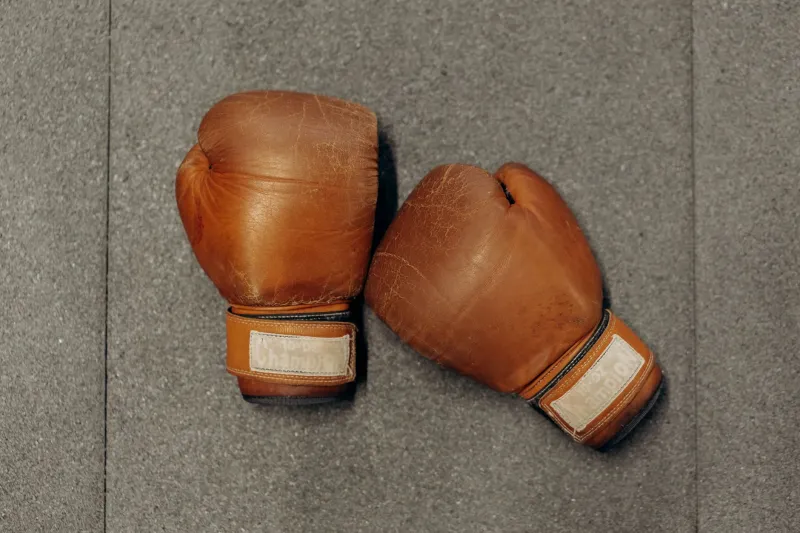
We Saved Your Wraps: The Quiet Protocol Behind a Missing Boxer at Earlsfield ABC

Photo: empty boxing gym corner with hanging skipping ropes and a kit bag, moody lighting, UK amateur boxing club, via i.pinimg.com
On a wet Tuesday in November, the 7pm session at Earlsfield ABC fills up in the usual way. Boots squeak on the mat, someone is hunting for the jump rope that always goes missing, and the kettle in the corner does its low rumble. But there's a gap by the far wall where a kit bag used to sit. The name on the register has three weeks of blanks beside it.
Nobody announces it. Nobody writes anyone off. But a boxer going quiet is not something this club shrugs at. It kicks off a quiet, unglamorous routine that has more to do with care than admin.
The First Quiet Week
The first sign is rarely dramatic. A regular misses a Monday. Then a Wednesday. By the second week, the coaches have noticed, and the register — that battered clipboard by the door — starts telling a story. At Earlsfield ABC, the rule is simple: one missed session is life. Two is a pattern. Three is a conversation.
Someone will pick up a phone. Not a group chat message, not a passive-aggressive note on the club app. A proper call, usually from the coach who knows the boxer best. The script isn't a script at all. It's some version of: you alright? We've not seen you. No pressure. The door's open.
Crucially, nobody asks for a reason. Not on the first call. The aim is to leave a door ajar, not to demand a formal explanation.
The Call That Isn't a Chase-Up
This is the bit people outside the club rarely see. A missing boxer is not treated as a cancelled direct debit. There's no invoice with a sad face on it, no guilt trip dressed up as concern. The follow-up is about the person, not the payment.
If the phone doesn't connect, there's a text. Something short and human. If there's still nothing, a second call a week later. Then a note to say the wraps are still in the bucket by the office, and the door is still open. That's it. No third call that feels like pursuit. The club has done its bit without turning care into pressure.
It sounds small. It is small. But in an amateur club run on volunteers and goodwill, small things are the whole thing.
Why People Vanish (And Why It's Rarely About Boxing)
Ask anyone who has coached for a while and they'll tell you the same: people don't usually disappear because they've gone off the sport. They disappear because life gets loud.
A shift pattern changes at work. A parent gets ill. Money gets tight and the monthly sub starts to feel like a luxury rather than a routine. A teenager's confidence takes a knock at school and the idea of walking into a busy gym feels enormous. Sometimes it's mental health — the kind of flat, heavy weeks where leaving the house is the hardest round of the day.
At Earlsfield ABC, the code is no judgement. Nobody gets a lecture about commitment. Nobody is made to feel they have to explain themselves before they're allowed back. If someone says they've been struggling, the response is practical: what would make it easier? A different session time? A pause on fees? A quiet chat before the room fills up?
And if it's bigger than boxing, the club knows its limits. It points people towards proper support — Mind, Samaritans, the GP — and then does what a gym can do: keeps the light on.
Pride, Money and the 7pm Slot
Pride is the quietest reason of all. A boxer who has missed a month can convince themselves they've left it too long. They imagine the looks. They imagine having to explain. They imagine being the one who couldn't stick it.
That's why the return matters as much as the call. At Earlsfield ABC, nobody makes a thing of it. The coach nods. Someone hands over a spare pair of wraps because yours are still in the bucket. You get told to warm up, and the room carries on. The first session back is not an inquest. It's a session.
Money is the other silent factor. Amateur boxing is not expensive by sport standards, but it's not free either. When a boxer goes quiet, the club would rather have a conversation about pausing a payment than lose someone to embarrassment. A direct debit is easy to restart. A person who feels ashamed is much harder to bring back.
The Return: What Actually Happens at the Door
If you've been away — three weeks, three months, doesn't matter — this is what you'll get. A nod at the door. A brew if the kettle's on. No big speech. No public reunion. You'll be pointed towards the skipping ropes and told to take it steady.
You might feel like everyone is looking at you. They're not. They're looking at the pads, the clock, the next round. That's the beauty of a boxing gym: it's hard enough to demand your attention, which means nobody has time to hold a grudge.
By the end of the session, you'll be sweating, breathing hard, and wondering why you built it up so much in your head. That's the point.
What the Gym Asks of You
Earlsfield ABC doesn't ask for much. Turn up when you can. Tell someone if you're going to be away. And if you see a gap on the register, don't assume the worst — ask the coach if anyone's checked in.
The empty space by the wall isn't a failure. It's a question. And the club's answer is always the same: we saved your wraps. The door's open. See you Tuesday.