The Calm Hand Between Rounds: Earlsfield ABC’s Winter First-Aid Night
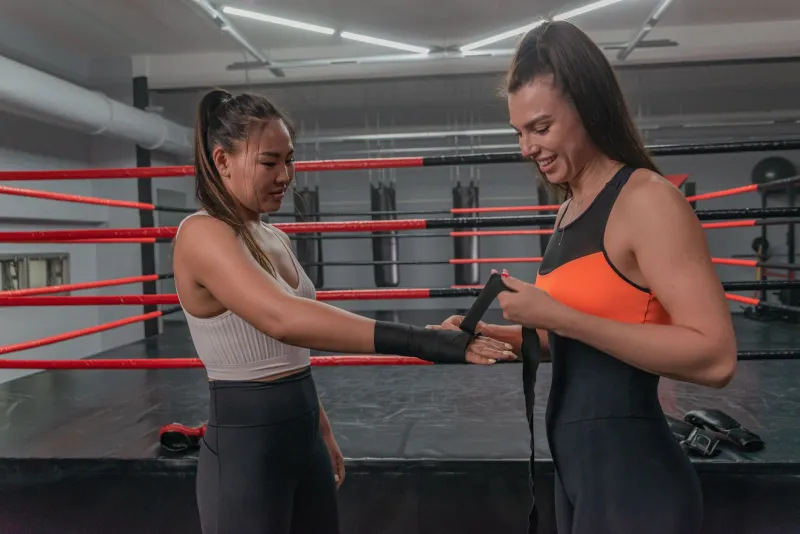
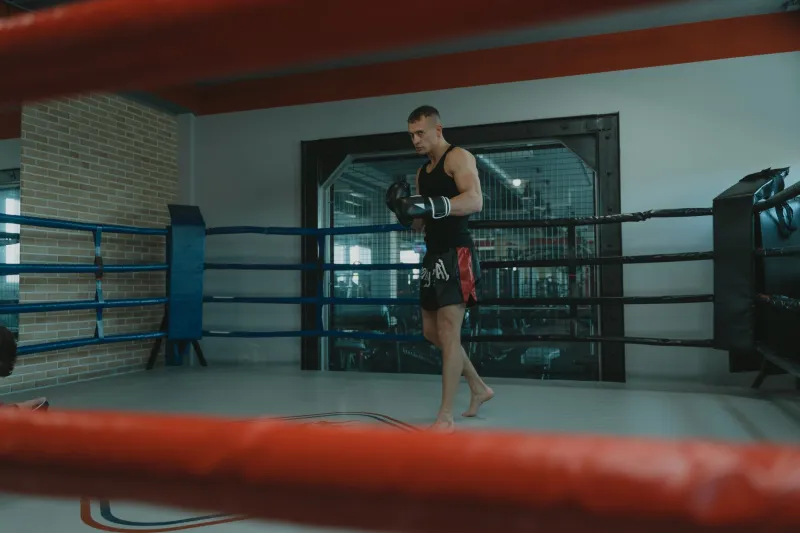
The ring lights were on, but nobody was hitting anything. On a wet Tuesday in November 2026, the ropes at Earlsfield ABC framed an empty canvas, a line of corner stools and a kit bag turned inside out on the apron. Bandages, tape, gloves, water bottles — and, laid out with the same care, a first-aid pouch and a laminated emergency action plan.
This was the club’s winter first-aid night: part refresher, part rehearsal, part honest conversation about what happens when a boxer doesn’t bounce straight back up. Coaches, corner volunteers and a handful of young boxers gave up their evening on Garratt Lane to go through the unglamorous stuff. No knockout reels. No tough-guy talk. Just the quiet craft of stopping a small problem becoming a serious one.
Why the corner starts before the bell
“You don’t get to choose the night someone needs help,” the club medic told the group, crouching beside the apron. “You only get to choose whether you’ve practised.”
That line set the tone. The session began with the basics: who is on the corner, who carries the pouch, who calls 999 if it comes to that, and who meets the ambulance at the door. It sounds administrative. It isn’t. In a busy hall, with gloves thudding and parents watching from the side, a clear role is the difference between a calm response and five people talking over each other.
The young boxers were asked to walk through the gym’s layout as if seeing it for the first time. Where is the nearest exit? Where is the defibrillator? Where would an ambulance park on a match night? One lad admitted he’d never thought about it. That’s exactly why the club runs the session.
Checking a head, not just a cut
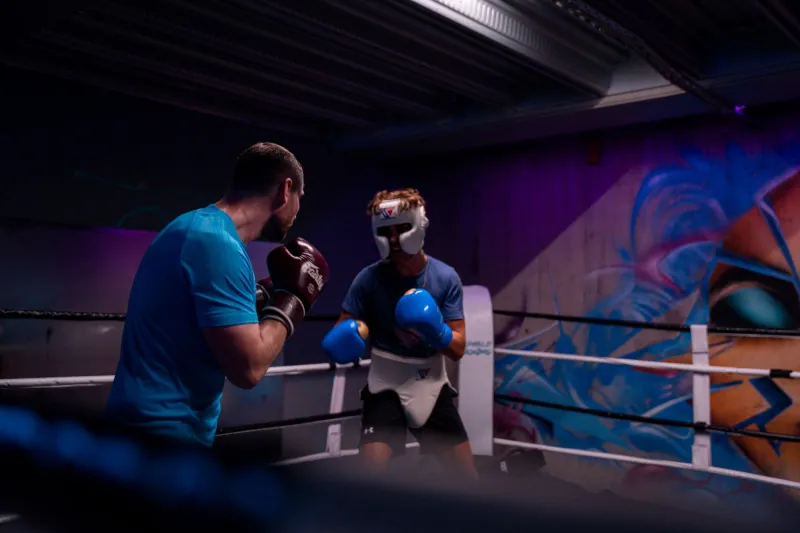
The gloves came off for the concussion drill. Two boxers paired up, one playing the corner, one playing the fighter who’d taken a heavy shot and wanted to carry on. The corner’s job wasn’t to diagnose. It was to notice.
Had the boxer’s balance changed? Were they answering questions properly? Was there a blank look, a delay, a wobble on the turn? The medic kept repeating a simple message: if in doubt, sit them out. Not because the club is soft, but because a brain injury doesn’t care how brave you are.
A parent in the corner asked the question most people were thinking: what if the boxer says they’re fine? The answer was blunt. A boxer’s job is to want the next round. The corner’s job is to decide whether there should be one. That’s not a betrayal of toughness. It’s the whole point of having a corner.
Nosebleeds, breath and the awkward pause
Then came the practical stuff that fills more corner time than any highlight reel. Nosebleeds: lean forward, pinch the soft part of the nose, keep calm, don’t tip the head back. Breathing scares: get the boxer sat up, loosen what can be loosened, speak slowly, and watch. Cuts: gloves off, clean hands, pressure on, and a clear call on whether the bout can continue.
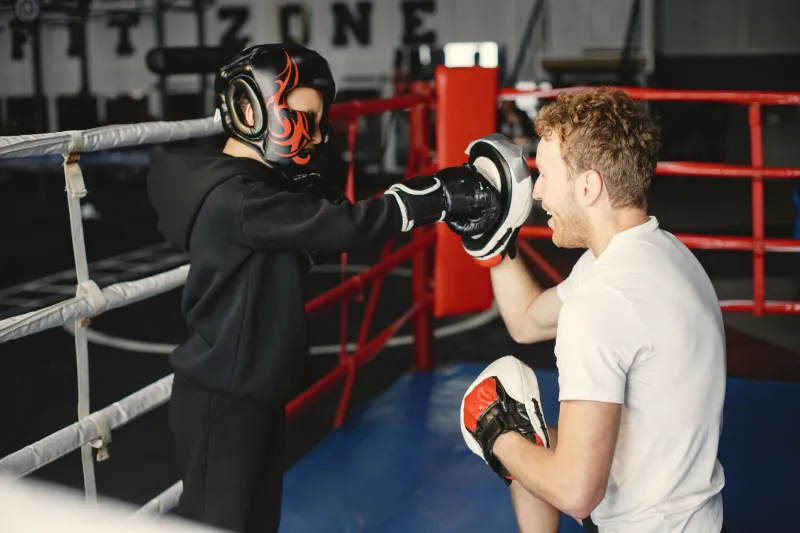
The young boxers practised holding a pad while a partner tilted their head forward. It looked awkward. It felt awkward. Good. The medic explained that awkward is better than frozen. If your hands have done the movement once in a quiet gym, they’ve got a better chance of doing it in a loud one.
One coach raised a scenario that had happened at another club: a boxer saying they felt sick after a hard body shot. The group talked through it — sit them up, get space, monitor breathing, don’t rush them back to the ring just because the clock is running. Nobody clapped. There was no punchline. But you could see people filing it away.
The quiet decision nobody claps
The most important part of the evening wasn’t a drill. It was a conversation about the decisions that don’t make the write-up. Pulling a boxer from a sparring round. Stopping a bout between rounds. Sending a kid home when they’re desperate to stay. Telling a parent what you saw and what you’re doing about it.
Those calls can feel lonely in the moment. The club’s message was simple: make them anyway, and make them early. A corner volunteer with a first-aid certificate and a clear head is not there to wrap a boxer in cotton wool. They’re there so the boxer can be tough safely — and so the toughness lasts longer than one night.
By the end, the kit bag was packed again, the stools stacked, and the rain still coming down outside. Nobody had thrown a punch. But everyone in that gym had done a bit of work that matters more than any knockout: learning to spot trouble, speak clearly, and put a hand on a shoulder when the noise stops.
That’s the Earlsfield ABC way. Grit in the ring. Heart in the corner. And a calm hand between rounds when it counts.