Sparring Is a Conversation: The Gym Code That Keeps Earlsfield ABC Honest

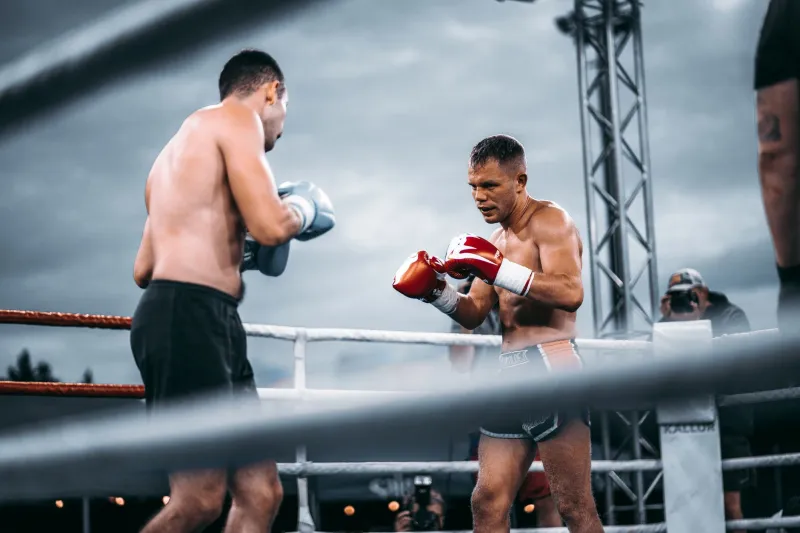
Tuesday night at Earlsfield ABC has a sound of its own. Ropes creak, wraps rip, someone curses under their breath on the rowing machine, and a pair of gloves thud into a pad while a coach mutters, 'Again. Slower.' The gym off Garratt Lane is full of people who want to get better, and most of that work happens in the sparring ring. But the sparring ring is not a stage. It is a classroom with a bell.
That distinction is the whole article, really. Sparring is where technique meets pressure, where a boxer learns what happens when the plan collides with a moving human being. At Earlsfield ABC, it only works because everyone agrees to the same unwritten rules. Nobody hands them out on a laminated card. You learn them by watching, by listening, and by getting pulled aside by a coach when you get it wrong.
The first rule is not about punching
The first rule is about purpose. Before anyone laces up for sparring, a coach will ask what the round is for. Footwork? Defence? Working behind the jab? Getting comfortable with someone in your face? If the answer is 'to win,' the answer is wrong. Save that for the bout. In the gym, the aim is to learn without breaking each other.
One of our senior coaches puts it plainly: 'You are not here to prove you are the hardest person in SW18. You are here to help your partner get better, and for them to help you. The moment you forget that, you are not sparring. You are just fighting in a training session, and nobody benefits from that.'
That means the pace is set by the coach, not by the boxer with the loudest heartbeat. It means a more experienced boxer might spend a round working only on defence, letting a newer starter find their range. It means the younger lads and the older heads can share the same ring without it turning into a scrap. The gym is a team, even when the bell goes.
Call the shot, own the shot
There is a practical habit that keeps sparring honest: call your shots. If you are going to work the body, say so. If you are loading up a hook, let your partner know it is coming. This is not about being soft. It is about giving the other boxer a chance to defend themselves and learn. A shot that lands because your partner did not know it was legal is not a lesson. It is a cheap point in a game nobody is scoring.
New starters sometimes find this strange. They think calling a shot ruins the surprise. But sparring is not about surprise. It is about repetition under controlled pressure. The surprise can wait for fight night, when the referee is in the ring and the other corner knows exactly what they have signed up for.
Calling shots also keeps the ego in check. If you have announced a body shot and your partner blocks it, you have learned something. If you have announced it and they do not block it, you have learned something else. Either way, the round is doing its job.
When to push and when to park it
There is a time to push. A boxer preparing for a bout needs rounds where the pace lifts, where the legs burn and the lungs complain. They need to feel uncomfortable in a safe environment. But pushing is not the same as hurting. The coach will say when the dial goes up. The boxer does not get to turn the dial because they are having a bad day or because someone caught them clean.
If you catch your partner with a good shot, the etiquette is simple: do not follow it up with a wild flurry. Step back, reset, check they are okay. If the shot was too hard, say so. If you are the one who took it, say so. There is no shame in tapping the glove and taking a breath. The hardest boxers in this gym are the ones who know when to park their pride.
A coach will often stop a round early if the work gets sloppy. That is not a punishment. It is quality control. Sloppy sparring teaches sloppy habits, and sloppy habits have a way of showing up when the lights are on and the crowd is close.
The new starter's checklist
If you are new to sparring at Earlsfield ABC, here is the short version of the code.
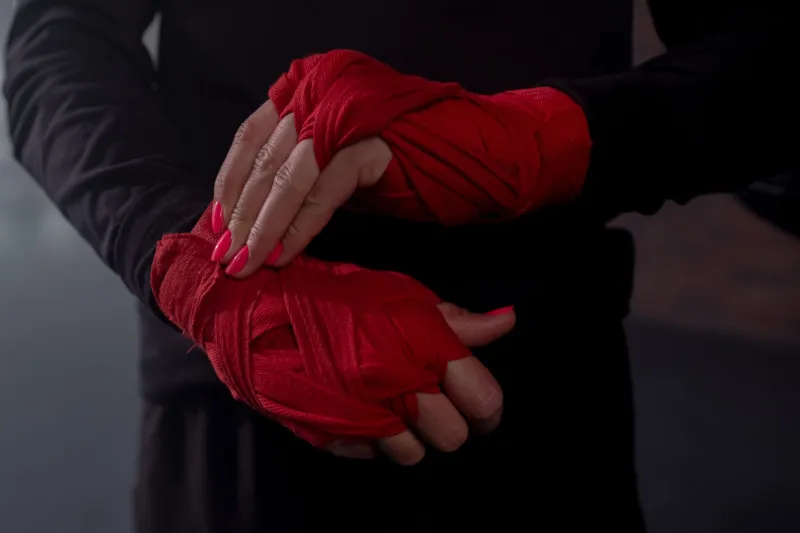
- Bring your gum shield, your wraps and your respect. No kit, no round.
- Listen to the coach's instruction for the round. If you do not understand it, ask.
- Start slower than you think you need to. You can always build.
- Call your shots, especially to the body and especially if you are working with someone less experienced.
- Do not try to win the round. Try to learn the round.
- If you land something clean and hard, check in. If you take something clean and hard, speak up.
- Leave the ego at the door. The door is heavy for a reason.
Parents watching from the side will see all of this and sometimes worry. It can look intense. It is meant to. But watch the gloves: they touch after rounds. Watch the coaches: they are never far away. Watch the boxers: they are learning to look after each other. That is the culture we are proud of, and it is built one honest round at a time.
Why ego is the most dangerous thing in the room
A bad pair of gloves can hurt your hand. A bad ego can hurt the whole gym. Ego is what makes a boxer ignore the coach and try to knock out a training partner. Ego is what makes someone hide a injury or pretend they are fine when they are not. Ego is what turns a learning round into a personal battle, and personal battles do not belong in a sparring ring.
The best boxers at Earlsfield ABC are not the ones who never get hit. They are the ones who can take a clean shot, nod, reset and keep working. They are the ones who can hold back when the round calls for it and push when the coach asks. They are the ones who understand that sparring is a conversation, not a coronation.
So no heroes in the sparring ring. Just boxers, coaches and a shared standard. Grit, heart and community in every round. That is how we do it on Garratt Lane, and that is how we will keep doing it.